HISTORY OF OUR INDUSTRY - CENTRAL AMERICA
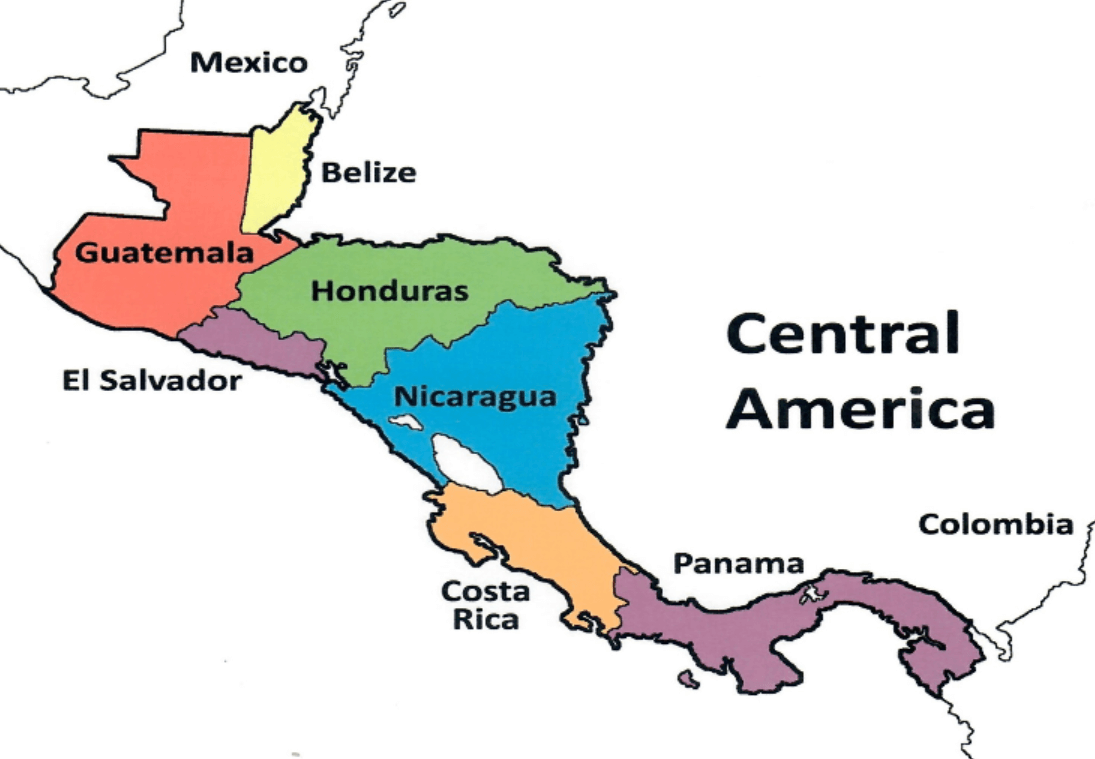
Central America is another part of the world that has contributed to the continued growth and success of our industry. The seven countries that comprise this fascinating part of the world are:
- PANAMA
- COSTA RICA
- NICARAGUA
- HONDURAS
- EL SALVADOR
- BELIZE
- GUATEMALA
Equivalent in size to the US states of Florida, Georgia, Alabama, and South Carolina, Central
America has a population of roughly 53 million as compared to the population of these four US states with a combined population of 45 million. In fact, Guatemala, the largest country in this region, has a population of 19 million which is greater than that of Georgia, Alabama, and South Carolina.
A profile of each country and some of the companies that have, and continue to, contribute to the growth and success of our industry follows:
PANAMA
The construction of the Panama Canal changed the course of this small country dramatically. The French initially began work on a canal linking the Atlantic and Pacific Oceans in 1881 in what was then a part of Colombia. After various engineering failures and disease outbreaks, they abandoned the project in 1889.
In 1904 Panama achieved its independence from Colombia and agreed for the US to build and to control the canal. At this time, the country also adopted the US dollar as its currency. The US Army Corps of Engineers began the Panama Canal in 1904, and the job was completed in 1914. This 51 -mile canal, from the port of Balboa in the Pacific Ocean to the port of Colon in the
Atlantic Ocean, greatly improved shipments from around the world. Ships could spend a little over 11 hours traveling through the Canal and save some 8,000 nautical miles and 20-22 days for modern cargo ships (even longer for older ships from previous decades). In 1977, the US and Panama signed a treaty that turned control of the Canal to Panama at Noon on December 31, 1999. Work began in 2007 and was completed in 2016, whereby the capacity of the Canal was doubled by adding a new, wider traffic lane.
Needless to say, the international shipping trade and tourism, exposed Panama to new cultures, ideas, and technologies. The portable sanitation industry was one of those new concepts that reached Panama in advance of the rest of Central America.
COSTA RICA
Costa Rica adopted its constitution in 1949 and became one of the few sovereign nations without a standing military. Known for its export of bananas and coffee, revenues drastically declined in 1978 and in 1979 and imported oil prices increased sharply and rapidly, which put the country in massive debt. Turning the national focus, roughly one-fourth of the national budget is now spent on compulsory education and Costa Rica is now known for its ecotourism with more than 25% of the country protected by National Parks and Reserves. Further, approximately 99% of Costa Rica's energy is now generated from renewable energy sources — solar, wind, hydropower, and geothermal.
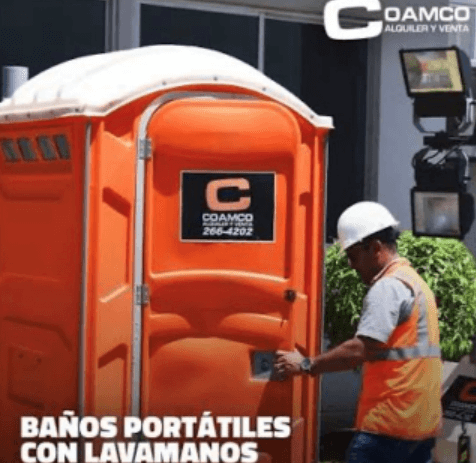
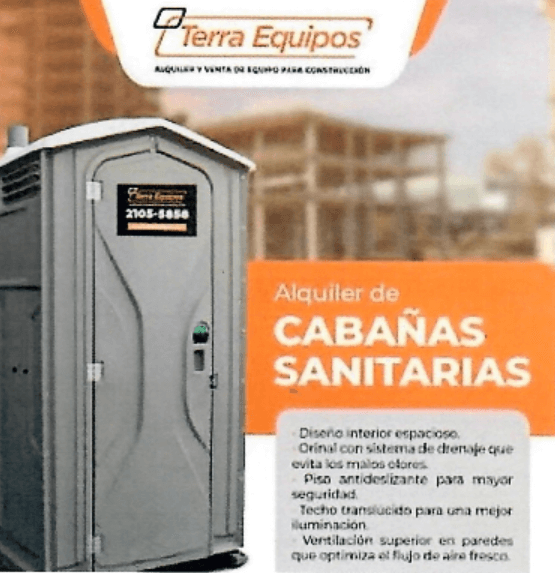
Founded in 2002, the goal of this company was to fulfill the need for leasing and selling construction equipment in an expanding economy. From scaffolding, demolition and drilling equipment, generators, storage units, tolls, and of course, portable restrooms, Terra Equipos is a "one stop shop" for construction companies.
NICARAGUA
The largest country in this region, Nicaragua is known as "the breadbasket of Central America" due to its fertile soil. The other popular nickname is "the land of lakes and volcanoes." Tourism has been extremely popular at various times, however political turmoil as evidenced by the Nicaraguan Revolution of the 1960s and 1970s, followed by the Contra War in the 1980s and now currently classified as an "authoritarian dictatorship," the country remains one of the poorest in the Americas ahead of only Haiti in GDP (Gross Domestic Product) measurements.
Sanitarios Express is committed to being the "eco-friendly solution" to their customers. They provide portable restroom, septic, grease trap, and transfer of liquid and solid waste material from industrial processes. Their mission statement is: "We are committed to preserving the environment with improved sanitary conditions."
HONDURAS
Mayan civilization existed for hundreds of years in modern day Honduras and the surrounding areas. In 1502 on his fourth and final voyage, Christopher Columbus became the first European to visit this area. Settled by the Spanish in 1524, Honduras became independent in 1821 and became an independent republic in 1838. International trade and investment began, and the banana industry began to flourish in this country and by 1929, bananas were over 80% of its exports. Although always grown in small quantities, the 1960s saw coffee become a more important crop due to increased international demand. In 2011, Honduras became Central America's greatest producer of coffee.
Known for its agriculture, Honduras' economy is thereby vulnerable to the weather and natural disasters. Most notably was Hurricane Mitch which hit the country in October 1998. Known as "the deadliest Atlantic Hurricane in over 200 years," Honduras experienced the greatest impact from Mitch. The President of Honduras at that time projected that the hurricane "set the country back some 50 years in economic development." Estimates were 7,000 fatalities with 35,000 homes destroyed and 50,000 damaged. This totaled some 1.5 million people homeless or 20 percent of the country's population. Crops and water sources were destroyed. Portable sanitation was vital after this catastrophic event.
Monsol was founded in 1981 and thereby is the oldest portable restroom company in Central America. Quality service has continued for decades.
EL SALVADOR
In 2001, the US Dollar became the official currency of El Salvador and in 2021, Bitcoin became legal currency also. These cutting-edge economic advancements were in response to the desire to become an innovative leader in this part of the world. El Salvador had suffered from a Civil War from 1979-1992 which was ended by the United Nations Chapultepec Peace Accords.
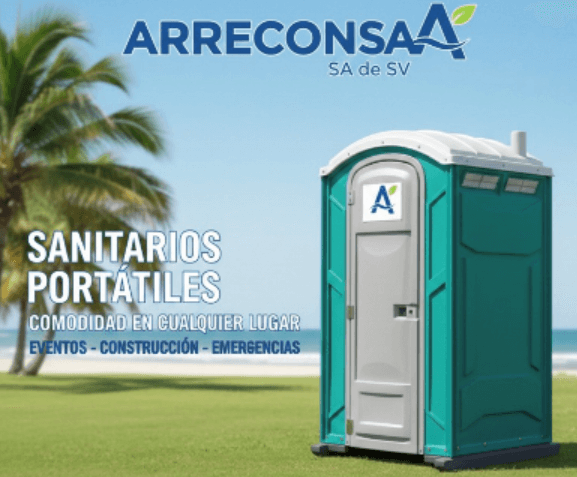
Arreconsa was founded in 1974 and entered the portable restroom marketplace in 1994. In the initial formative years of their restroom business, they were International Members of the PSAI.
BELIZE
A relatively new country that was a British colony until 1981. English remains the official language.
With close ties to the United Kingdom, as portable sanitation became established in the mid-1980s "across the pond," Belize was introduced to portable sanitation. Furthermore, being adjacent to Mexico where our industry began to expand around the same time, Belize was also influenced by the growth of the Mexican economy.
King's Rentals was founded in 2015 and has quickly grown to six locations throughout Belize. In addition to portable restrooms, sinks, and urinals, the company's website lists a variety of additional products including ice boxes, trash cans, lighting towers, outdoor ventilation, systems, and storage containers.

GUATEMALA
In addition to having the largest population in the region, Guatemala is renowned as the birthplace of chocolate. The Mayan civilization called chocolate "the food of the gods" and the first chocolate bars were handmade here.
Sadly, earthquakes and volcanoes are common in Central America and on February 4, 1976, a 7.5 magnitude earthquake hit Guatemala in the middle of the night leaving 23,000 casualties and 76,000 injured. There were thousands of aftershocks with caused additional loss of life and damage to the country's economy. The country was also in the midst of the Guatemalan Civil War which lasted from 1960-1996. After this time, the economy became the largest in Central America with construction and tourism beginning to expand. With this growth, portable sanitation companies became commonplace.
Past International Member
ALVARO ZEPEDA
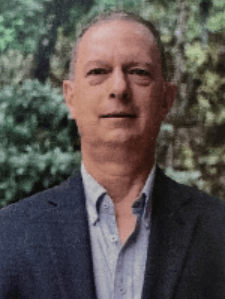
Alvaro founded Mapreco in Guatemala in 1986. An engineer and business leader, he has spent his entire career working to improve and to expand our industry throughout Central America and the Caribbean.
I had the privilege of meeting Alvaro at the PSAI International Meeting in Cali, Colombia in May 2012. Professional, motivational, and always eager to help were my first impressions of this international industry leader.
Alvaro shares the history of his company, Mapreco, in his own words:
History of MAPRECO in Guatemala
“It was created on April 10, 1986, starting with the rental and sale of construction equipment. In 1992, the service lines were expanded to include the portable toilet service by acquiring 40 toilets and a service module that was mounted on a truck. We were the pioneers in this area in the portable toilet business.
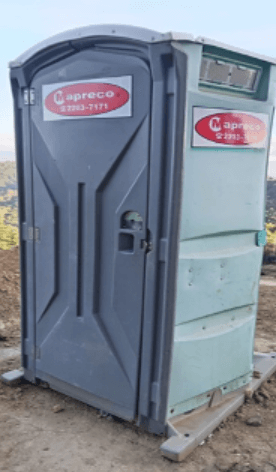
First portable toilet in Guatemala 1992
We started by placing toilets in the construction market, but we realized that it was also possible to use it in special events such as fairs, private celebrations, political events, etc.
From the beginning, the toilets were identified with our MAPRECO brand, and a strong advertising campaign was made, so that today in Guatemala MAPRECO is synonymous with a portable toilet (MAPRECO = PORTABLE TOILET).
Initially, it was difficult to introduce them into the market, due to the lack of knowledge of the product and the lack of culture in its use. An education campaign had to be carried out and so it was accepted until it is now a legal obligation to use it in construction and events.
Special events such as the visits of Pope John Paul II, the events of presidential elections, religious celebrations especially in Holy Week in different cities, natural disasters (floods, earthquakes, landslides.....) have been attended.
Currently we also attend to the management of wastewater treatment systems, (treatment plants, septic tanks, grease traps...) and offer additives and complements for that market. This has allowed us to have our own system for the treatment of waste, achieving a soil improvement plan (fertilizer) and irrigation, with which we have carried out a reforestation plan and maintain green areas during the summer, avoiding forest fires.”
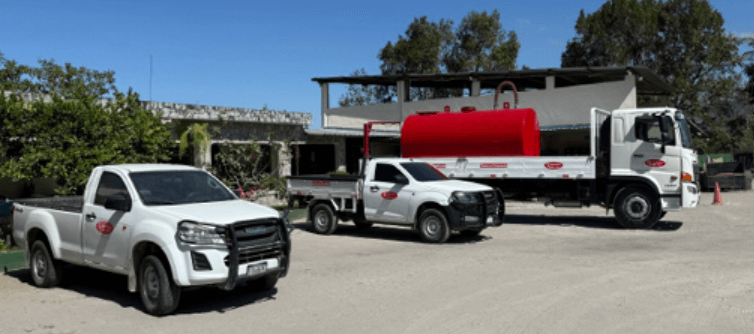
Part of the MAPRECO fleet
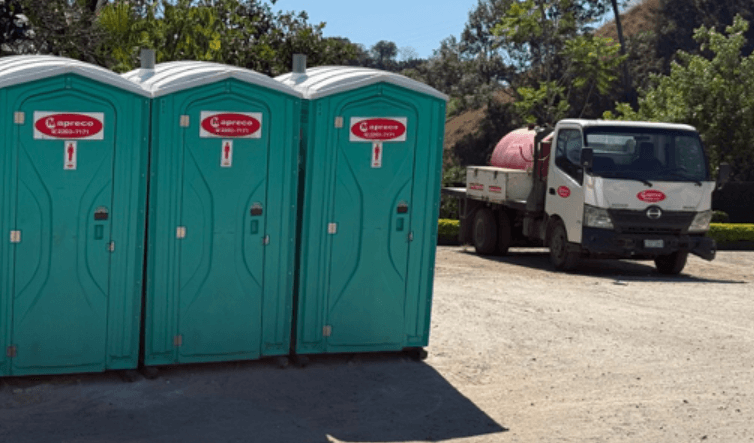
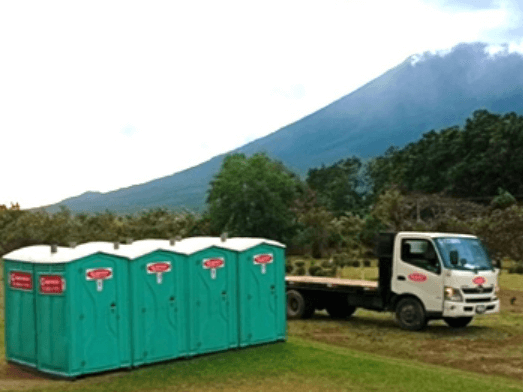
Special Events

Sporting Events
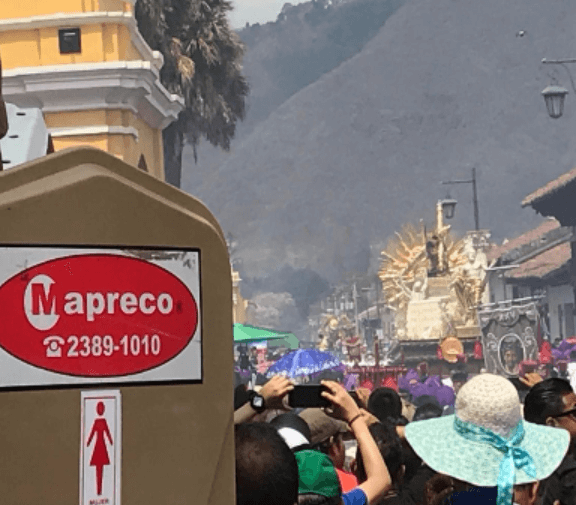
Religious Events - Antigua Guatemala (Holy Week)
Thank you, Alvaro.
Additional Research
Alvaro has a civil administrative engineering degree and served as the Dean of the Faculty of Engineering at Universidad Rafael Landivar. He served as President of the Guatemalan Chamber of Construction (Camara de la Construccion de Guatemala) and a member of lNTEGRARSE – an alliance of organizations in six countries in Central American and the Caribbean which disseminate and implement sustainability and social responsibility as part of their business strategies. A true leader and visionary who has spent his career working to improve portable sanitation.
FINAL THOUGHTS
Influenced by the growth of our industry in Mexico to the north and the international commerce passing through the Panama Canal to the south, Central America’s growth in the portable sanitation industry continues to be impressive. These companies continue to expand their presence and their product offerings in this part of the world.
REMINDER …
MEXICO TO HOST PSAI EVENT FROM MARCH 3-5, 2026, IN PLAYA DEL CARMEN
This educational event will allow an international audience to share information and to learn from each other while experiencing the beauty of Mexico.